Is Gold Too Expensive Right Now? A 25-Year Perspective
Record prices make many would-be buyers hesitate. A longer view, and a clearer sense of what gold is for, gives a more useful answer.
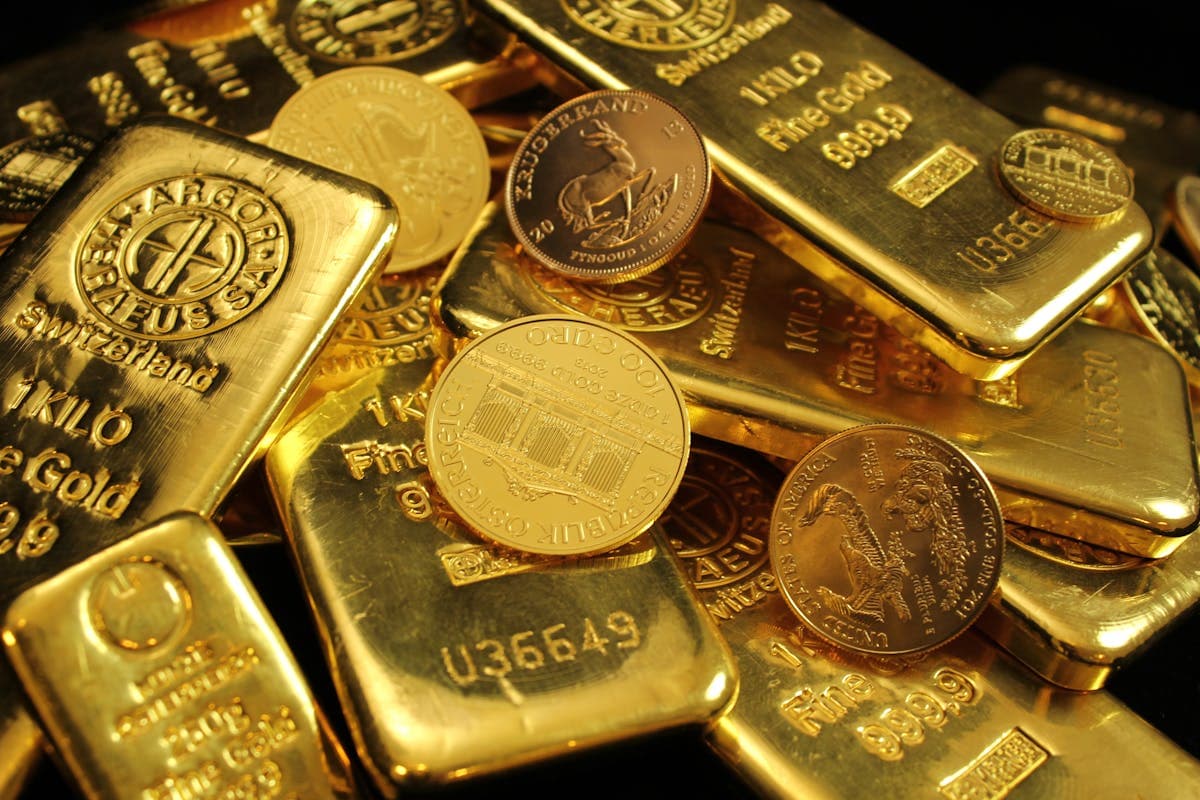
When gold reaches a record high, the most natural question is whether the opportunity has passed. It is a sensible question, and it deserves a considered answer rather than a sales pitch.
Twenty-five years of buyers
In 2000, gold traded at under £200 an ounce. Today it is well over £2,000. The path between the two has not been smooth: the price fell by more than a third between 2012 and 2015, and there have been long stretches when it went nowhere. Yet at the time of writing, anyone who bought gold at any point since 2000 and held it is in profit.
That is not a promise about the future. Gold prices can fall as well as rise, and past performance is no guide to what comes next. It is, however, a useful corrective to the idea that a high price today must mean a poor purchase.
Gold is not a trade
The question changes once you are clear about what gold is for. People who buy it hoping to sell at a higher price next year are trying to time a market that professional traders find hard to time. Gold’s role in private wealth is different. It is a way of holding value outside the banking system and outside any single currency, and of preserving purchasing power over long periods.
Judged on those terms, the relevant question is not where the price will be next month. It is whether your savings are better protected over the next ten or twenty years with some gold among them than without.
What has happened to the pound
Over the same twenty-five years, the pound has lost around 46% of its purchasing power. £10,000 held in cash since 2000 now buys roughly what £5,400 bought then. For much of the period since 2009, interest on cash savings has been below the rate of inflation, so even money that earned interest has often lost ground in real terms.
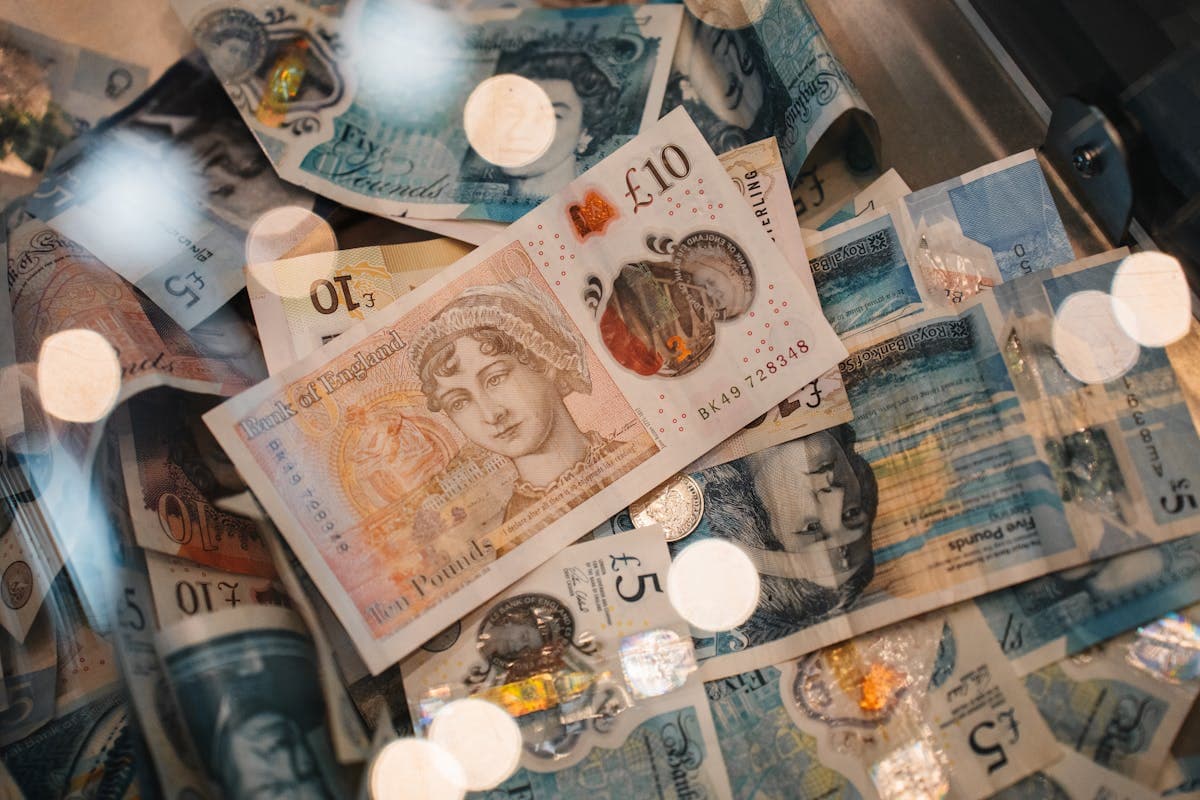
Gold priced in sterling has risen many times over in the same period. Part of that rise reflects demand for gold itself; part reflects the falling value of the pound it is measured in.
A lower entry point
One practical concern at current prices is the size of the outlay: a one-ounce coin now represents a substantial sum. Fractional coins address this. Half Sovereigns and quarter- and tenth-ounce Britannias carry the same exemption from Capital Gains Tax as their full-size counterparts, and allow a holding to be built gradually, in amounts that suit you. They carry a higher premium per gram, which is the cost of that flexibility.
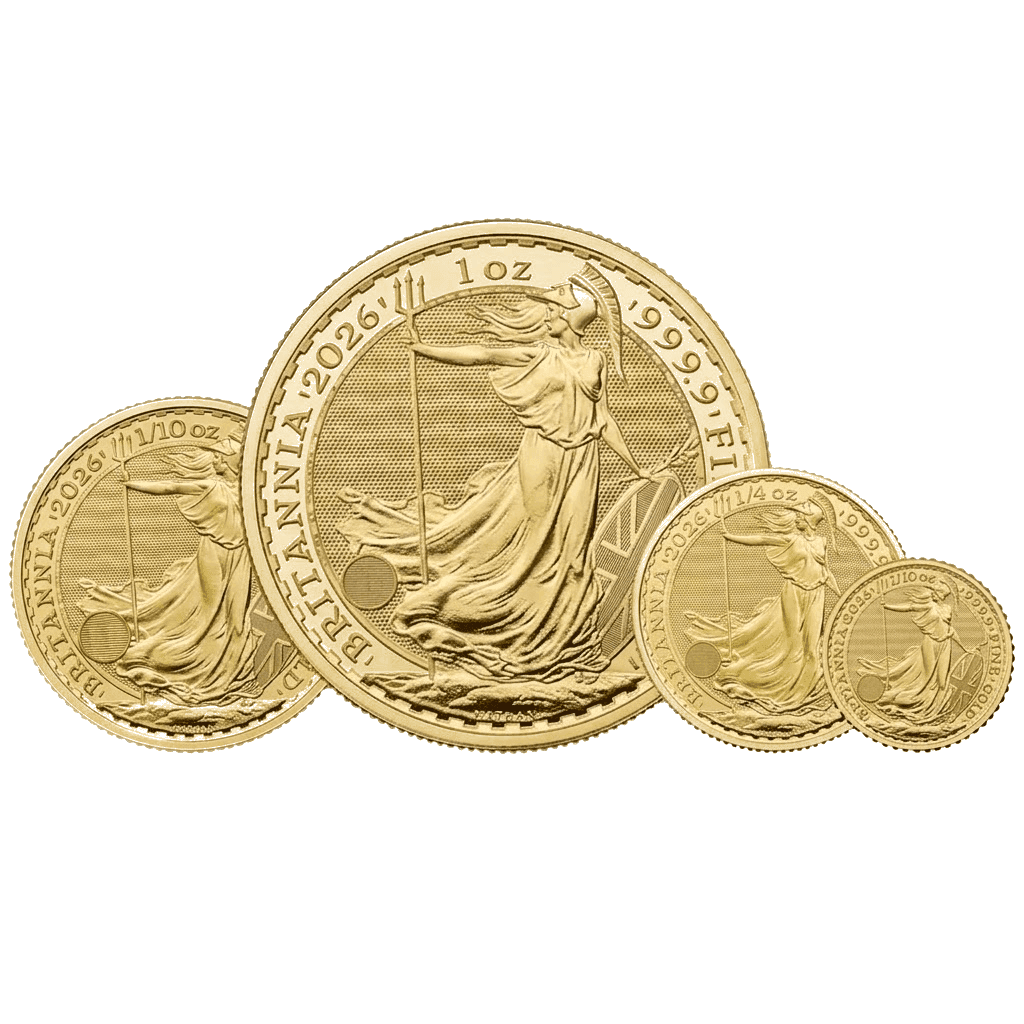
Many buyers also choose to buy in stages rather than all at once. It does not guarantee a better average price, but it reduces the risk of committing everything at a short-term peak.
Central banks are still buying
Some of the most consistent buyers of gold in recent years have been central banks. They bought more than 1,000 tonnes in each of 2022, 2023 and 2024, the highest levels in decades, with China, Poland and India among the most active. Their reasons — diversifying away from a single reserve currency, and holding an asset that is no one else’s liability — are much the same as a private investor’s.
The answer
Nobody can tell you where the gold price will be next year, and anyone who claims to should be treated with caution. What the record shows is that gold has done its job over long periods: preserving wealth while the currency it is priced in has lost value. Whether it belongs in your savings, and in what proportion, depends on your circumstances. A consultation is a chance to talk that through, without obligation.
Tax note: Tax treatment depends on individual circumstances and legislation may change. Northern Gold Supply does not provide tax advice. Clients should seek independent professional advice where required.