Gold Sovereigns vs Gold Bars: Which Should You Buy?
Both are investment-grade gold and both are free of VAT. The differences lie in tax, cost and flexibility — and for most UK investors, those differences decide the matter.
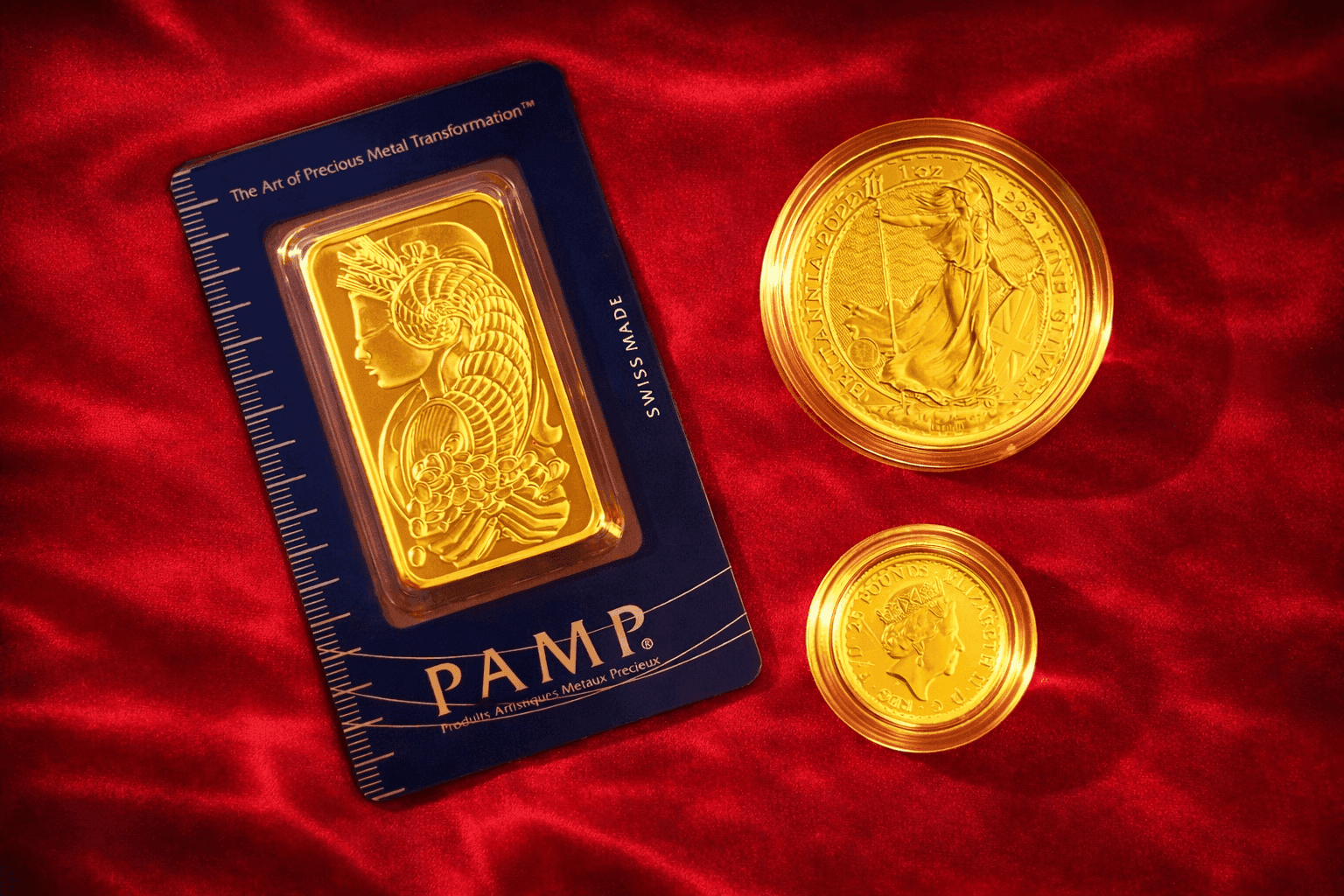
It is the question we hear most often from people buying gold for the first time. A Sovereign and a bar from an accredited refinery are both investment-grade gold, and both are exempt from VAT when bought as investment gold in the UK. The differences lie elsewhere: in how a gain is taxed when you sell, in what you pay above the gold price, and in how easily you can sell part of a holding later.
Two different objects
A Gold Sovereign is a British coin struck by The Royal Mint. It contains 7.32g of fine gold at 22 carats, and it is UK legal tender. Its larger relative, the one-ounce Gold Britannia, contains a full troy ounce of 999.9 fine gold and has the same legal-tender status.
Gold bars are made by refiners such as PAMP, Valcambi and Heraeus, in sizes from a single gram to a kilogram and beyond, usually at 999.9 fineness. They carry no legal-tender status: a bar is simply a quantity of refined gold.
The tax difference
Because Sovereigns and Britannias are sterling currency, a gain made when you sell them is not subject to Capital Gains Tax. Gold bars have no such exemption. A gain on bars is treated like a gain on shares or a second property: only the first £3,000 of gains in a tax year is exempt, and anything above that is taxed at 18% or 24%, depending on your income.
The difference grows with the size of the gain. If £50,000 of bars became £100,000, a higher-rate taxpayer could owe up to £11,280 on selling. The same gain on Sovereigns or Britannias would attract no Capital Gains Tax at all.
What you pay above the gold price
Every gold product sells at a premium over the spot price, which covers refining or minting, distribution and dealing. As a rule, the larger the item, the lower the premium per gram. A kilogram bar is usually the cheapest way to buy a given weight of gold; a one-gram bar is among the most expensive. Coins tend to carry a slightly higher premium than bars of a similar weight, reflecting the cost of minting them.
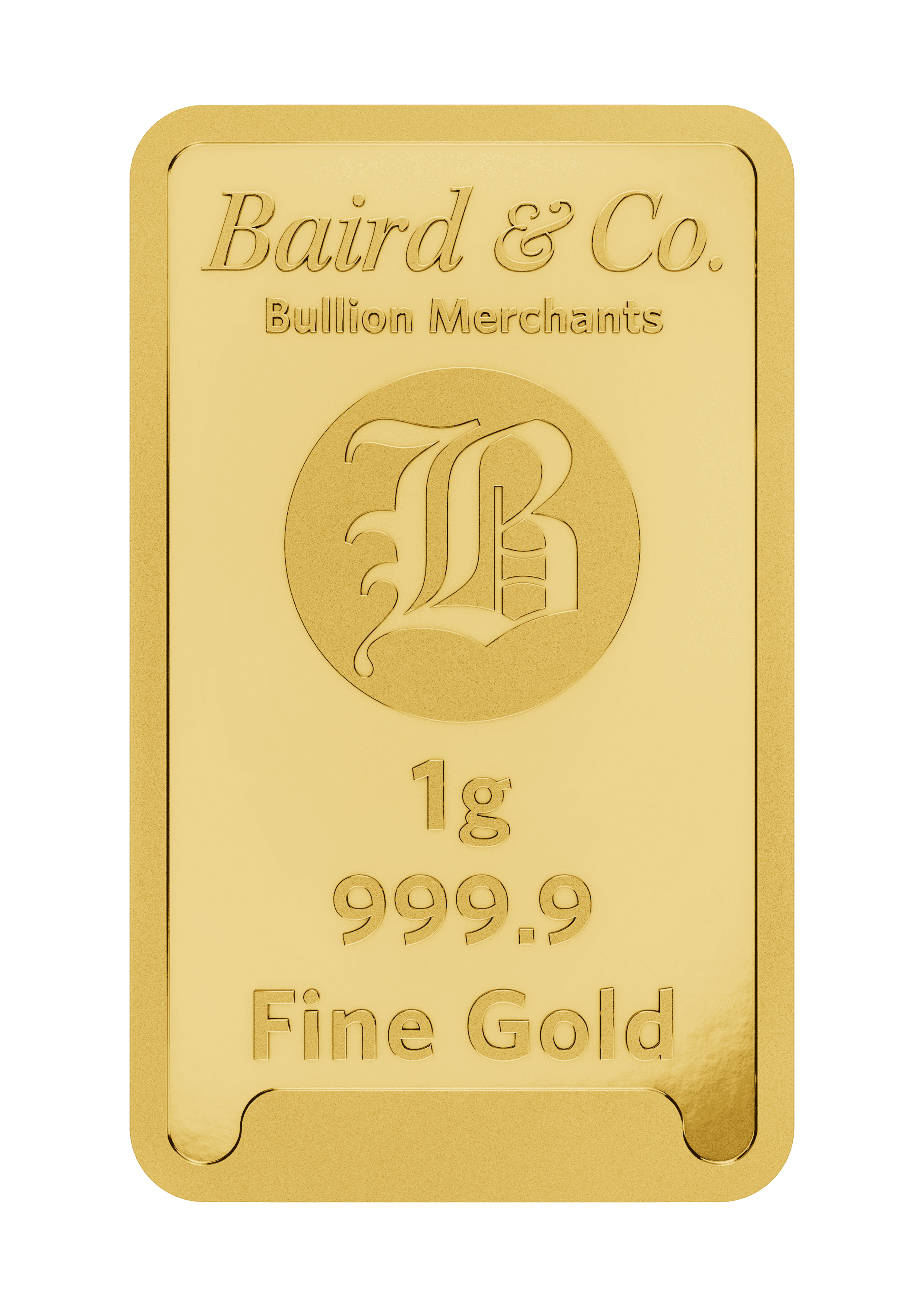
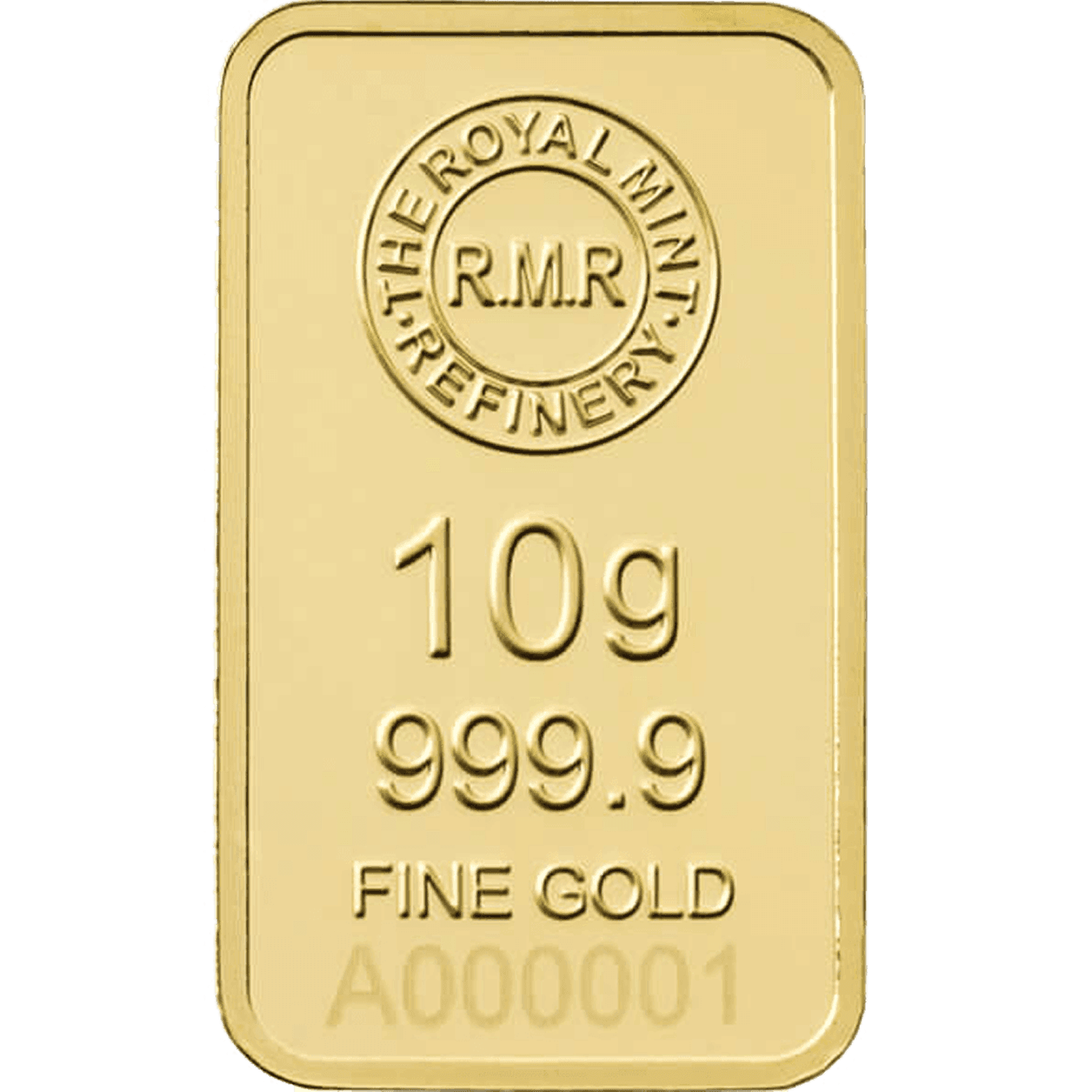
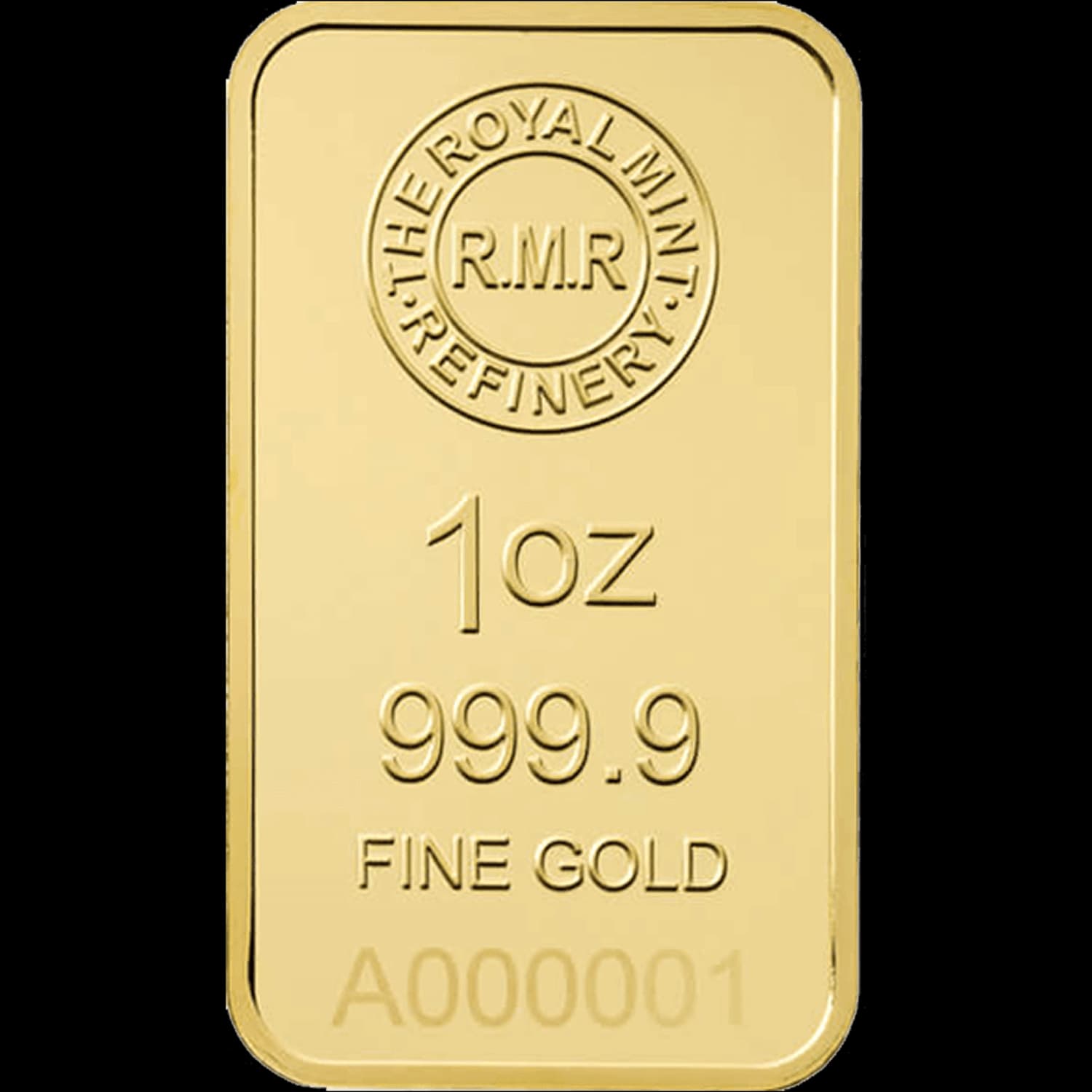
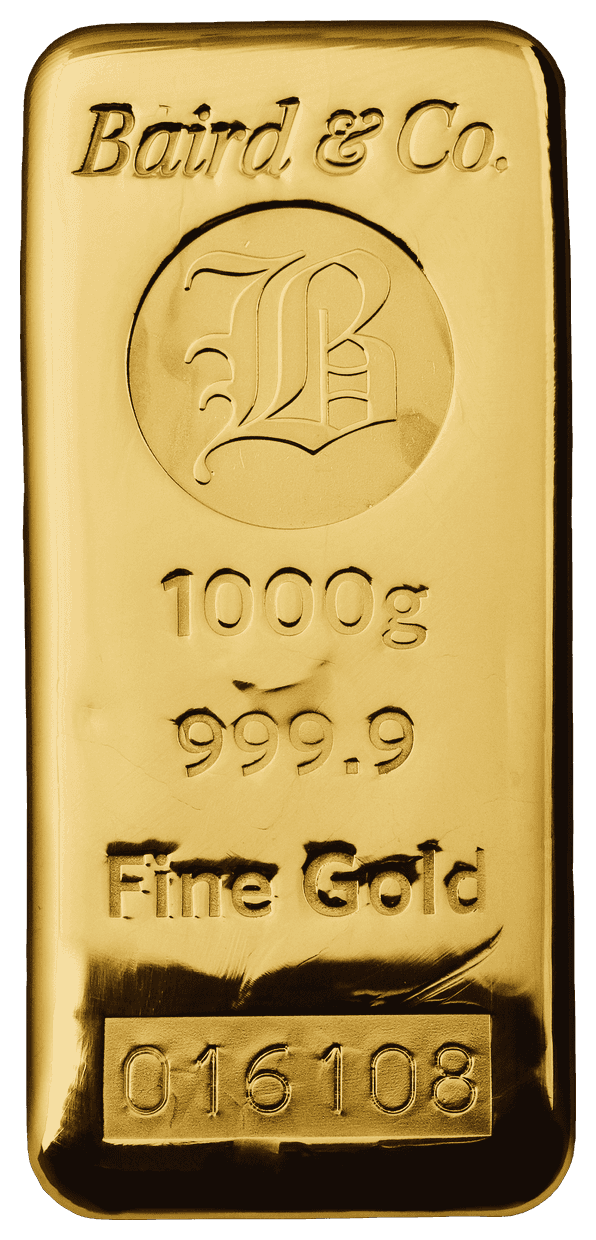
For a modest holding the difference is small. For a very large one, it is worth weighing carefully against the tax position above.
Liquidity and flexibility
Sovereigns and Britannias are among the most widely recognised gold coins in the world, and selling them in the UK is straightforward. Because each coin is a small, standard unit, you can sell a few at a time — to fund a purchase, rebalance, or pass some on to family — without disturbing the rest of your holding.
Bars from accredited refiners are also readily saleable, but a bar can only be sold whole. If your holding is a single kilogram bar and you need a tenth of its value, you must sell all of it. Buyers may also expect the original sealed packaging and certificate, so it pays to keep both.
When bars make sense
Bars earn their place where an investor is building a large position, wants the lowest possible cost per gram, and is in circumstances where Capital Gains Tax is unlikely to apply. That last point is worth confirming with a tax adviser before you buy, because it decides whether the lower premium is a genuine saving or a false economy.
When coins make sense
For most UK taxpayers, Sovereigns and Britannias are the more efficient choice. The exemption from Capital Gains Tax, the ability to sell in small units and the wide recognition of both coins usually outweigh the modest difference in premium. Fractional coins — Half Sovereigns, and quarter- and tenth-ounce Britannias — extend the same advantages to smaller sums. Some investors hold a mix: coins for flexibility and tax efficiency, with a bar for a portion they intend to hold for the very long term.
The right balance for you
There is no single correct answer. The right balance depends on how much you intend to invest, your tax position and how you expect to use the holding in future. That is what a consultation is for: a private conversation about your circumstances, and a recommendation you can take away and consider in your own time.
Tax note: Tax treatment depends on individual circumstances and legislation may change. Northern Gold Supply does not provide tax advice. Clients should seek independent professional advice where required.